Mar 18, 2026 · 5 min read
Fade Types Explained: From Taper to Skin Fade
By Vlad
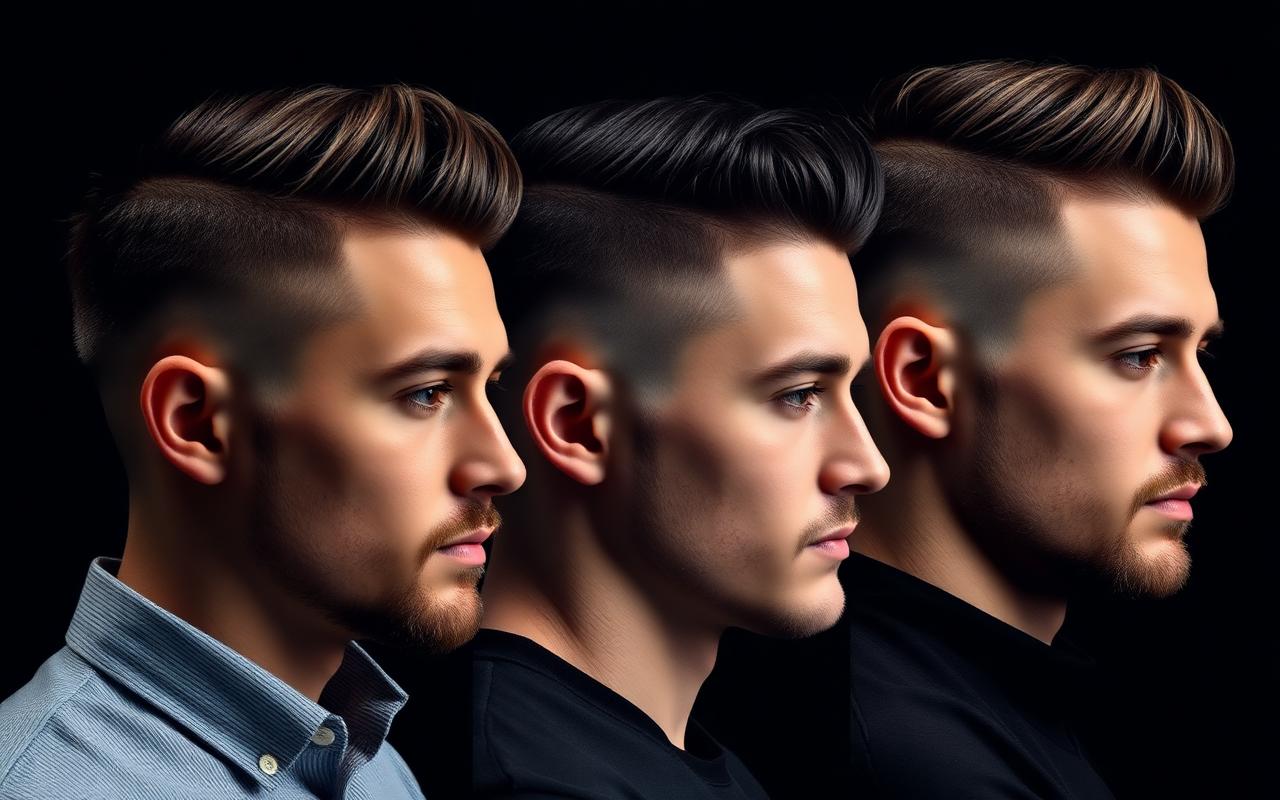
Fade is a catch-all word that hides a lot of detail. When you ask for one without specifying which kind, you're letting your barber make six or seven decisions for you. That's fine if you trust your barber. It's better if you can have the conversation.
A taper is the gentlest. It's the gradual shortening of hair around the ears and neckline, usually staying within scissor-and-trimmer territory. It's clean without being dramatic. If you work in a conservative environment or just don't want anyone to notice the cut, a taper is almost always the right answer.
A low fade brings clipper work into the picture, but keeps it just above the ears and neck. It's a step sharper than a taper. You'll see skin on the very edges, but the bulk of the side stays full. It's the cut I recommend most often for men who want a polished look that still reads as classic.
A mid fade moves the transition point up to the temple area. It's more visible, more modern, and pairs well with longer or styled hair on top. If you want your cut to look intentional from across the room, this is the lane.
A high fade pushes the transition above the temple, closer to where the top section starts. The contrast is bold. It's the look that says you spend time on your hair, and it suits men who want their cut to be part of how they present themselves.
A skin fade — sometimes called a bald fade — takes any of the above and blends down to bare skin at the lowest point. It's the cleanest, most demanding version of a fade, because there's nowhere for an imperfect blend to hide. Done well, it's the sharpest look in the room.
There are also drop fades (the line curves down behind the ear) and burst fades (the fade radiates around the ear). These are stylistic moves more than separate categories. The right barber will tell you which one suits your hair pattern and face shape.
When you book the suite, you don't have to know any of this. You just have to know how you want to look. The vocabulary is my job.